
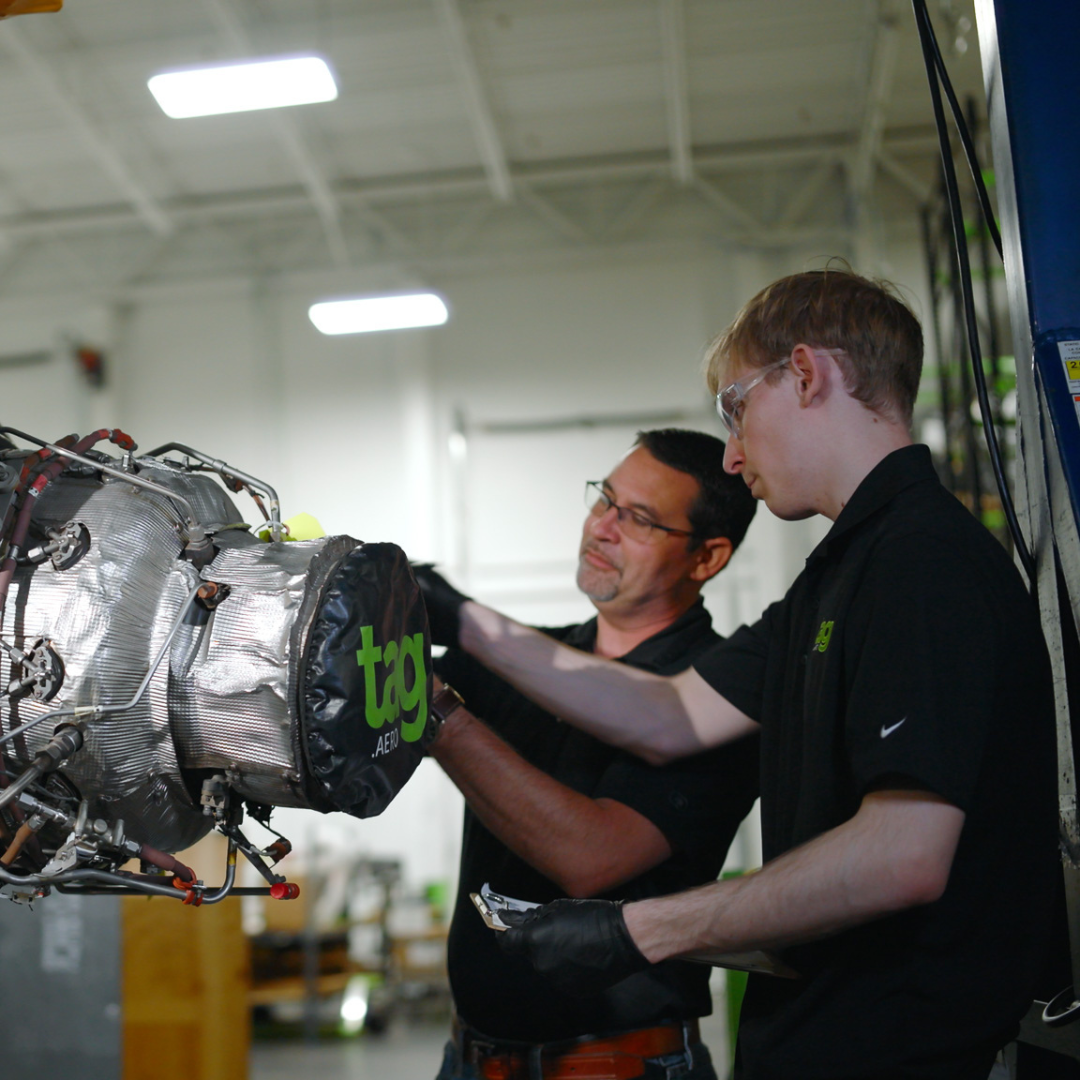
Aircraft Auxiliary Power Units are designed for reliability, but like any complex aircraft component, they experience wear over time. Identifying early signs of potential APU issues can help operators avoid larger maintenance events and unexpected downtime.
One common sign is reduced performance. Difficulty starting, inconsistent operation, or changes in power output can indicate internal wear or developing component issues. Maintenance teams may also notice higher operating temperatures or abnormal vibration during operation.
Another important factor is inspection findings. During scheduled maintenance or borescope inspections, technicians may identify wear, damage, or deterioration in critical components that require repair or overhaul.
Operational history also matters. High-cycle APUs, heavy usage environments, and inconsistent maintenance schedules can all contribute to accelerated wear. Tracking maintenance records and operating trends helps operators make informed decisions about overhaul timing.
In many cases, addressing issues earlier can help reduce larger repair costs and improve long-term reliability. Preventative maintenance and routine inspections play a major role in extending APU service life.
At TAG Aero, every APU undergoes detailed inspection and evaluation to help identify issues early and ensure reliable performance after overhaul. Careful attention to process, documentation, and testing helps support long-term operational reliability.
For airlines and operators, proactive APU maintenance is one of the best ways to reduce downtime, improve fleet readiness, and maintain operational efficiency.